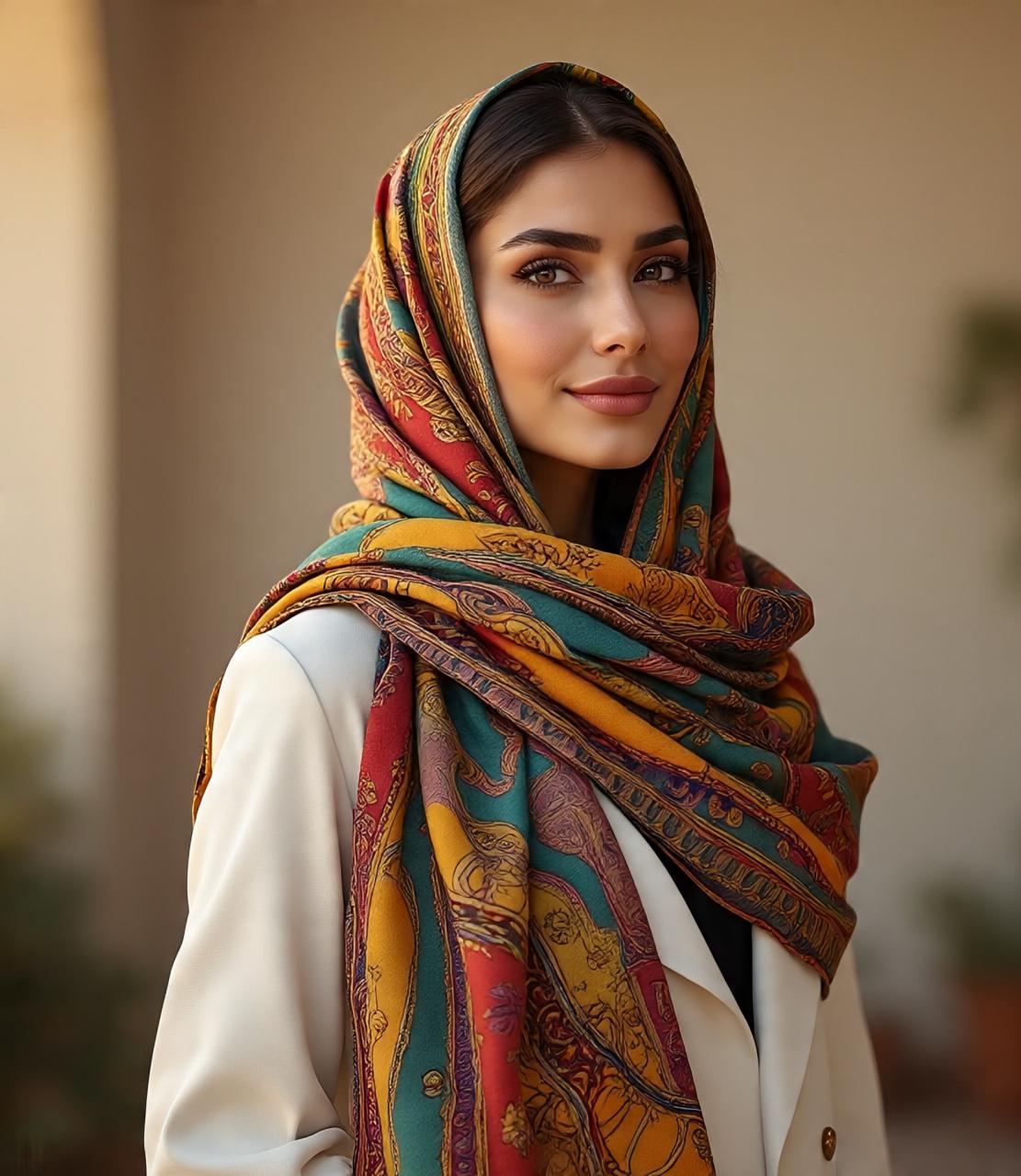
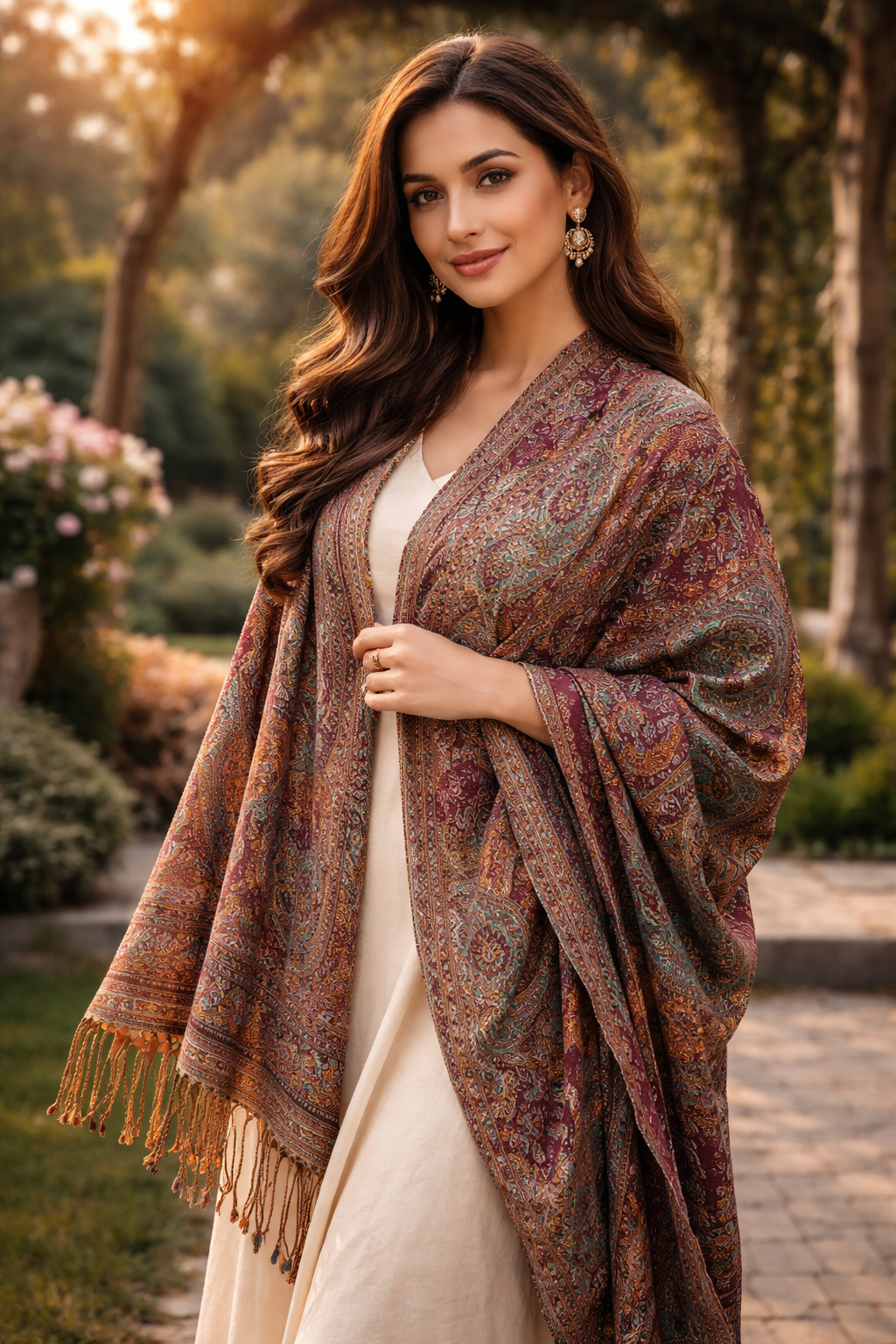
Shawls are timeless fashion essentials that reflect heritage, warmth, and elegance across cultures. The journey from yarn to finished product involves expertise, precision, and a well-organized supply network. Today’s Shawls manufacturers combine traditional skills with modern techniques to serve both domestic and international markets. Understanding this process helps buyers, retailers, and brands make informed sourcing decisions in a competitive global industry.
The process begins inside a specialized Shawls factory, where raw materials such as wool, pashmina, silk, and cotton are carefully selected and processed. Regions known for textile excellence, particularly Shawls in India, are globally respected for blending artisanal craftsmanship with scalable production. This approach has helped build a strong reputation for authentic Indian Shawls across luxury and mass markets.
The stages of Shawls manufacturing include yarn preparation, dyeing, weaving, washing, and finishing. Each step of Shawls production is monitored to maintain quality, texture, and durability. Whether produced on handlooms or modern machinery, every shawl reflects attention to detail and cultural influence passed down through generations.
Once manufacturing is complete, finished products move into the supply chain managed by Shawls suppliers and Shawls wholesalers. These intermediaries connect factories with retailers, boutiques, and fashion brands by offering curated collections, consistent availability, and trend-focused designs. A reliable Shawls producer ensures that suppliers receive products that meet market expectations in terms of quality and pricing.
Buying through wholesalers allows businesses to access wholesale Shawls at competitive rates while maintaining inventory variety. Many suppliers also work as a trusted Shawls vendor, offering customization, private labeling, and seasonal collections to support brand growth and retail success.
To meet international demand, Shawls exporters play a key role in delivering products across borders efficiently. Exporters manage compliance, packaging, logistics, and documentation, ensuring smooth delivery of Shawls in bulk to buyers worldwide. Bulk sourcing helps retailers reduce costs while maintaining consistent stock levels throughout the year.
With growing global demand for handcrafted and ethically sourced textiles, exporters collaborate closely with manufacturers to meet regional preferences and quality standards. This coordinated effort allows shawls to reach fashion markets in Europe, the Middle East, the USA, and other regions with confidence and reliability.
Conclusion
From loom to market, the shawls industry is built on craftsmanship, coordination, and trust. Strong partnerships between manufacturers, suppliers, wholesalers, and exporters ensure that quality shawls reach customers worldwide. Understanding this journey empowers buyers to source responsibly, scale efficiently, and succeed in the evolving global shawls market.